08. 07. 2026
Dry press molded fibre is a production method where a wet pulp pre-form passes through a drying oven before being transferred to a heated press die for final shaping. This contrasts with wet press technology, where forming and drying occur simultaneously inside the press. The result is packaging with thicker walls (typically 2–5 mm), lower density, and higher impact absorption, making dry press the preferred technology for protective packaging applications in e-commerce, industrial components, and appliance transport.
Dry press molded fibre production operates on a continuous line approximately 30–50 metres long [SOURCE NEEDED], with forming, drying, and pressing as separate sequential stages. The process begins with diluted pulp slurry deposited onto a forming screen or mould, creating a wet pre-form through vacuum or suction. This wet structure contains 70–85% water [SOURCE NEEDED] and must be dewatered before mechanical pressing can occur.
The wet pre-form enters a drying oven operating at 180–250°C, where hot air removes the majority of moisture content over 3–8 minutes. Only after this oven-drying stage is complete does the now-dry pre-form transfer to a heated press die. The press applies heat (160–220°C) and pressure (typically lower than wet press systems) to achieve final dimensional accuracy and surface compression. Cycle time per part averages 20–80 seconds in industrial dry press lines.
This separation of drying from pressing creates the defining characteristic of dry press molded fibre: a thicker, lower-density structure with visible surface texture from the oven-drying stage. The fibres consolidate less tightly than in wet press technology because pressing occurs after the structure has already dried, meaning there is limited opportunity for fibre-to-fibre bonding under simultaneous heat and pressure.
Dry press lines can achieve high output rates for protective packaging applications, with multiple cavities running in parallel. The long continuous format allows economies of scale once production volume justifies the equipment footprint. Tooling for dry press follows similar design principles to wet press – typically aluminium or composite moulds – but operates at lower pressures, meaning tool wear rates differ.
The process is suitable for packaging that prioritises cushioning and structural protection over surface finish. Applications include e-commerce protective inserts (consumer electronics shipping), appliance packaging (washing machines, refrigerators, furniture components), and industrial component packaging where impact absorption is the primary performance requirement.
| Parameter | Dry press molded fibre | Wet press molded fibre |
|---|---|---|
| Production line type | Long continuous (30–50 m) [SOURCE NEEDED] | Compact press station (5–10 m) [SOURCE NEEDED] |
| Forming and drying | Sequential (separate stages) | Simultaneous (single heated die) |
| Wall thickness | 2–5 mm | 0.8–2 mm |
| Density | 0.3–0.8 g/cm³ | 0.3–0.8 g/cm³ |
| Surface finish | Rougher texture from oven drying | Smoother, higher detail from press consolidation |
| Cycle time per part | 20–80 seconds | 60–80 seconds (TRIDAS wet press) |
| Press pressure | Lower (structure already dried) | 20–60 bar |
| Primary applications | Protective packaging, industrial transport | Premium consumer packaging, branding applications |
| Printability | Limited (rough surface) | Higher (smooth surface for offset, flexo) |
| Embossing detail | Coarse features only | Fine detail (minimum 1 mm character height) |
Procurement teams evaluating dry press molded fibre should recognise that the technology is optimised for protective performance, not consumer-facing aesthetics. The longer production line and oven-drying stage mean dry press is rarely the correct technology choice for cosmetics, fragrance, audio equipment, or fashion accessory packaging where brand presentation and surface finish quality are critical.
Dry press delivers cost-effective cushioning for applications where the packaging is discarded after unpacking – e-commerce protective inserts, appliance corner protectors, industrial component transport packaging. The thicker walls and lower density provide impact absorption without requiring high material basis weights, which can reduce material cost per unit compared to denser structures.
However, the surface roughness from oven drying limits branding opportunities. Dry press packaging typically requires secondary operations (labels, sleeves, outer cartons) if brand presentation is needed. This adds cost and complexity compared to wet press molded fibre, where the packaging itself can carry printed brand elements directly on a smooth surface.
Volume economics also differ. Dry press lines justify their long footprint at higher production volumes, typically above 500,000 units annually [SOURCE NEEDED], whereas wet press compact lines can be cost-effective from lower thresholds. For buyers launching new product lines or testing market demand, wet press offers lower capital lock-in risk and faster technology switching if specifications change.
Tooling costs for dry press are comparable to wet press (€5,000–20,000 per cavity set at TRIDAS), but the cycle time advantage in dry press (20–80 seconds vs 60–80 seconds in TRIDAS wet press) means multi-cavity tooling becomes cost-justified at lower volumes per SKU. Buyers managing product portfolios with many low-volume SKUs may find wet press single-cavity tooling more economical than dry press multi-cavity setups.
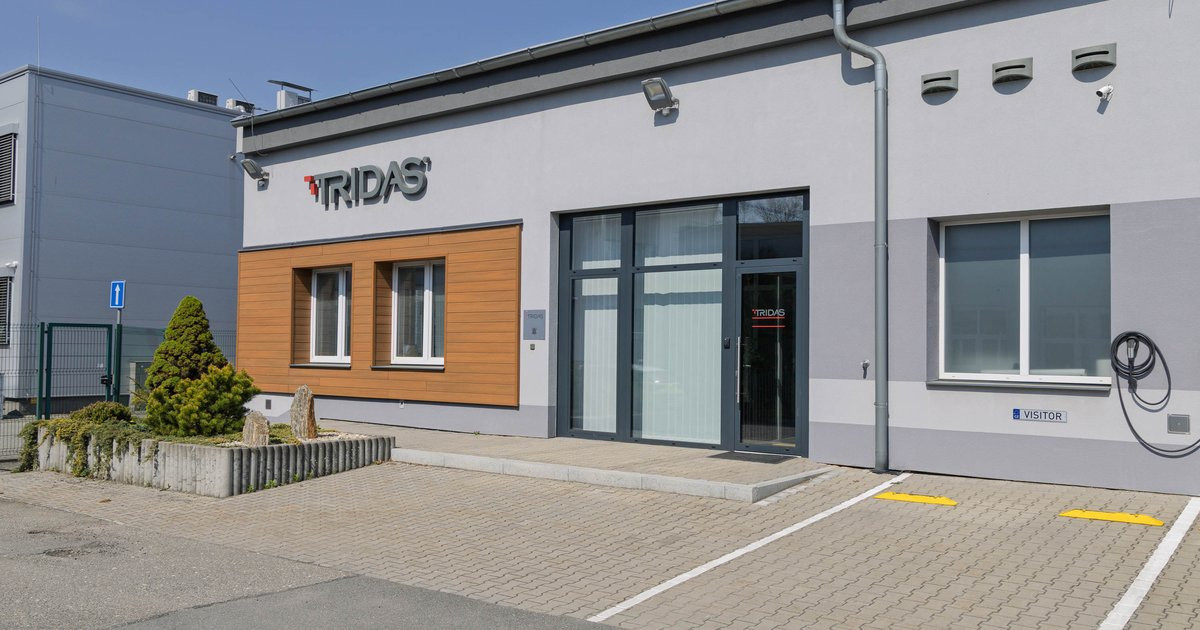
TRIDAS operates both wet press and dry press molded fibre production technologies under one roof at its Czech facility, enabling technology selection per application rather than supplier constraint. For protective packaging applications where cushioning performance outweighs surface finish – e-commerce inserts, industrial component packaging, appliance transport protection – dry press delivers cost-effective impact absorption. For premium consumer-facing packaging where brand presentation, printability, and fine surface detail are requirements – cosmetics, fragrance, audio equipment, fashion accessories – wet press technology is the correct choice. TRIDAS tooling lead time is approximately 4 weeks from order for both technologies, substantially faster than typical dry press or wet press suppliers operating longer lead times. This dual-technology capability allows procurement teams to validate optimal production method per product specification without switching suppliers.