10. 23. 2026
Molded fibre packaging operates as a circular-economy material system by design: manufactured from recycled paper pulp, mechanically recyclable in standard paper streams, and biodegradable when composted. For European procurement managers moving premium non-food packaging out of virgin plastic, molded fibre closes the loop from post-consumer waste back to feedstock with no quality loss across cycles, meeting both PPWR recyclability targets and EUDR due diligence requirements under a single material platform.
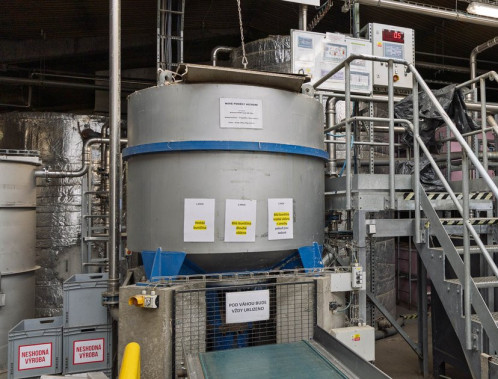
The circular economy replaces linear take-make-dispose material flows with closed-loop systems where products return to production as feedstock. Molded fibre packaging functions as a circular material by operating entirely within the established paper recycling infrastructure across Europe. The system begins with post-consumer waste paper—newsprint, cardboard boxes, office paper—collected through municipal kerbside programmes and commercial waste streams. This waste paper is mechanically pulped at recycling facilities, producing secondary fibre that retains sufficient strength properties for packaging applications.
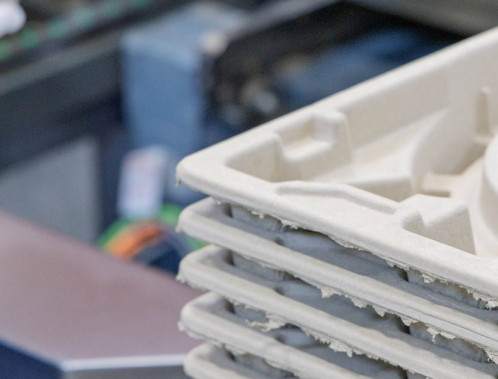
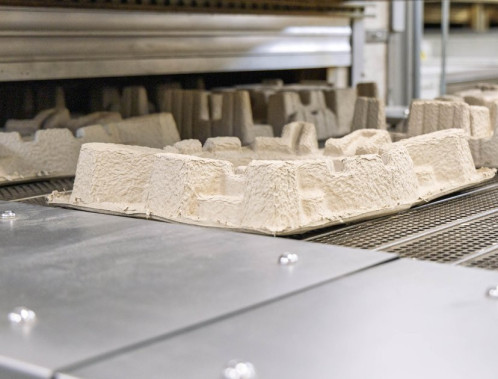
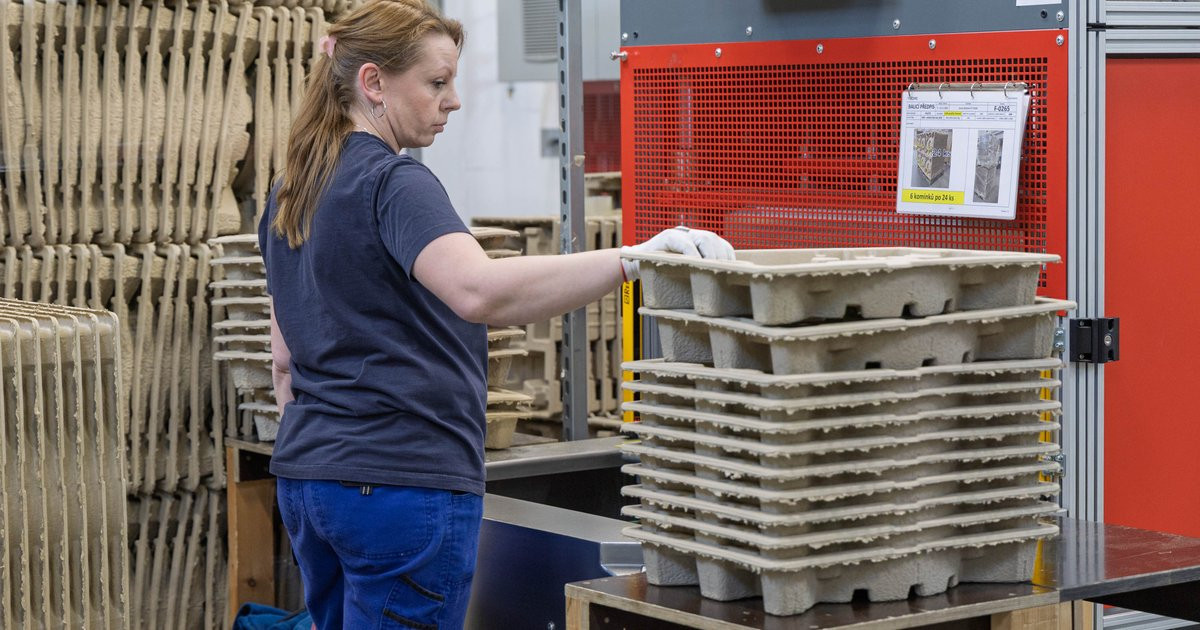
Molded fibre manufacturers purchase recycled paper pulp from verified suppliers, typically sourcing from EU low-risk forestry regions under FSC chain-of-custody certification. The pulp is hydrated, formed into three-dimensional packaging shapes through vacuum moulding or pressing, and dried. No plastic coating, no virgin petroleum feedstock, and no chemical additives are required for structural integrity. The finished packaging protects cosmetics cases, consumer electronics, audio equipment, fragrance bottles, and wine boxes during distribution.
At end-of-life, consumers place molded fibre packaging into paper recycling bins. Municipal collection systems route the material to paper mills where it is mechanically repulped alongside other paper waste. The fibre re-enters the recycling stream without quality degradation for multiple cycles—typically 5-7 cycles before fibre length shortens below packaging-grade specifications. Even after mechanical recycling capacity is exhausted, molded fibre packaging biodegrades in industrial composting facilities within 90 days under EN 13432 conditions, returning carbon to soil rather than accumulating in landfills or oceans.
Regulation (EU) 2025/40 on Packaging and Packaging Waste (PPWR) mandates that fibre-based packaging must achieve at least 70% recyclability from 2030, rising to 80% from 2038. Molded fibre packaging meets these thresholds intrinsically because the entire material mass enters mechanical recycling without separation steps. Procurement teams face no compliance risk when specifying molded fibre for premium packaging applications, unlike plastic packaging where achieving recyclability targets requires material-type restrictions, design-for-recycling constraints, and end-of-life infrastructure that varies by EU member state.
Regulation (EU) 2023/1115 on deforestation-free products (EUDR) applies to paper and paperboard placed on the EU market from 30 December 2026. Molded fibre suppliers must provide Due Diligence Statements documenting pulp origin, forestry geolocation coordinates, and legality verification per shipment. TRIDAS sources pulp primarily from EU low-risk regions and provides EUDR-compliant Due Diligence Statements per shipment under Regulation (EU) 2023/1115, removing traceability risk from buyer procurement workflows.
| Material system | Feedstock origin | End-of-life pathway | Mechanical recycling compatibility | PPWR 2030 recyclability compliance |
|---|---|---|---|---|
| Molded fibre | Post-consumer recycled paper pulp | Paper recycling bin → mechanical repulping | Full compatibility with existing EU paper recycling streams | Intrinsic compliance (100% recyclable mass) |
| Corrugated cardboard | Recycled paper pulp + virgin kraft liner | Paper recycling bin → mechanical repulping | Full compatibility | Intrinsic compliance |
| Injection-moulded polypropylene (PP) | Virgin fossil feedstock or mechanically recycled PP | Plastic recycling bin → mechanical reprocessing (limited cycles) | Requires single-polymer design; degrades after 2–3 cycles | Compliance depends on design-for-recycling choices and local infrastructure |
| Expanded polystyrene (EPS) | Virgin fossil feedstock | Specialist EPS recycling (geographic availability varies) | Low compatibility; requires densification before transport | Non-compliant in many EU regions due to infrastructure gaps |
| PET thermoformed trays | Virgin or recycled PET | PET recycling stream → mechanical or chemical recycling | Moderate compatibility; requires clean single-material design | Compliance achievable with design restrictions |
Procurement managers moving premium packaging from plastic to circular-economy alternatives face a decision matrix where regulatory compliance, supply-chain traceability, and end-of-life infrastructure all intersect. Molded fibre packaging removes decision complexity by operating within the most mature circular material system in Europe—paper recycling. No new collection infrastructure, no consumer behaviour-change campaigns, and no municipal waste-management negotiations are required to close the loop. The packaging your brand ships this year becomes feedstock for next year's production runs without supply-chain interruption.
For sustainability leads reporting against Scope 3 emissions targets, molded fibre delivers measurable carbon reduction compared to virgin plastic alternatives. Life-cycle assessment data show recycled paper pulp generates 0.4–0.6 kg CO₂e per kilogramme of material from cradle to gate, compared to 1.9–2.3 kg CO₂e per kilogramme for virgin polypropylene and 2.7–3.1 kg CO₂e per kilogramme for virgin polystyrene. When packaging weight is held constant, switching from plastic to molded fibre reduces embodied carbon by 70–85% at the material production stage.
PPWR compliance creates a regulatory floor for packaging recyclability across all EU member states, eliminating the current patchwork where plastic packaging may be technically recyclable but practically unrecyclable due to local infrastructure gaps. Molded fibre packaging meets the 2030 and 2038 recyclability thresholds without design compromises, tooling modifications, or material-grade changes. Procurement teams can lock in long-term packaging specifications with no compliance risk as regulations tighten through 2040.
EUDR traceability requirements apply to all paper and paperboard products placed on the EU market, including secondary packaging for cosmetics, electronics, and wine. Buyers must verify that pulp originates from legal forestry operations with documented geolocation coordinates. Molded fibre suppliers operating FSC-certified supply chains provide per-shipment Due Diligence Statements that satisfy EUDR obligations, eliminating the need for buyers to conduct independent forestry audits or maintain parallel traceability systems. This documentation burden is significantly lower than EUDR compliance for virgin plastic packaging, which requires crude oil origin verification—a supply-chain traceability challenge with no established certification framework.
TRIDAS operates both wet press and dry press molded fibre production technologies under one roof, enabling material system optimisation per application while maintaining full FSC chain-of-custody certification across all production lines. Pulp sourcing from EU low-risk regions reduces EUDR documentation complexity for buyers moving from plastic packaging with global petrochemical supply chains. TRIDAS provides EUDR-compliant Due Diligence Statements per shipment under Regulation (EU) 2023/1115, and tooling design accounts for end-of-life mechanical recycling requirements—no multi-material inserts, no plastic-coated surfaces, and no adhesive-bonded assemblies that disrupt paper recycling streams. Buyers receive packaging that closes the loop from post-consumer waste back to feedstock with no material system compromise.