09. 23. 2026
Molded fibre, bagasse, bamboo fibre and hemp fibre all derive from plant material and all produce biodegradable packaging, but the production processes, mechanical properties, supply-chain scalability and regulatory compliance differ substantially. Molded fibre uses established paper-pulp recycling infrastructure and standardised ISO certification frameworks; bagasse, bamboo and hemp require dedicated processing facilities and face narrower regulatory approval for non-food applications in the EU market. The choice depends on volume requirements, mechanical performance targets and supply-chain risk tolerance.
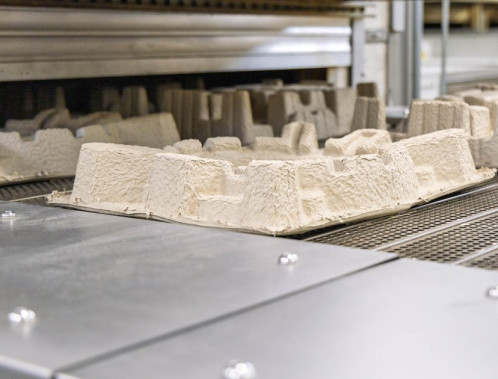
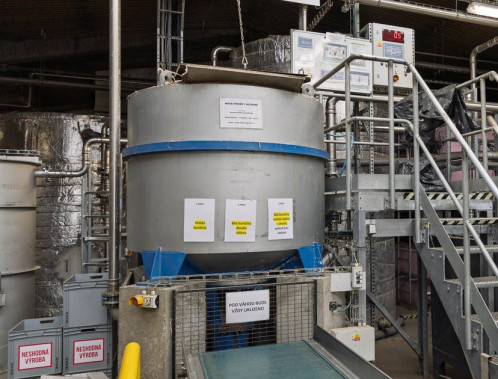
Molded fibre packaging uses recycled paper pulp suspended in water, deposited onto a screen mould, dewatered under vacuum, then pressed and dried into three-dimensional shapes. The pulp comes from post-consumer waste paper and cardboard collected through municipal recycling programmes across Europe. Production runs on continuous wet-press or dry-press lines; wet-press technology forms and dries the part inside a heated press die simultaneously (cycle time 60–80 seconds per part), producing thin-walled premium packaging with smooth surfaces suitable for cosmetics and consumer electronics. Dry-press lines pass the wet pre-form through a drying oven before final pressing, yielding thicker walls (2–5 mm) for protective packaging applications.
Bagasse is the fibrous residue remaining after sugar cane stalks are crushed to extract juice. Sugar mills in tropical regions (Brazil, India, Thailand) process cane during harvest season, generating bagasse as a co-product. The material contains cellulose, hemicellulose and lignin similar to wood pulp but with shorter fibres (1–3 mm average length compared to 2–4 mm in softwood kraft pulp). Bagasse pulp production requires washing, depithing to remove non-fibrous pith material, chemical or mechanical pulping, and bleaching if a lighter colour is required. The resulting pulp can be formed into packaging using molded-pulp equipment similar to recycled-paper lines, though fibre length and bonding strength differ, affecting mechanical properties.
Bamboo fibre comes from bamboo culms harvested primarily in Asia (China accounts for a substantial share of global bamboo fibre production). Processing involves cutting culms into chips, cooking under alkaline conditions to separate fibres, washing, and mechanical refining. Bamboo fibres are longer than bagasse (2–4 mm) but shorter than softwood, with tensile strength intermediate between hardwood and softwood pulp. Bamboo grows rapidly (some species reach harvest height in 3–5 years), but industrial-scale fibre processing requires chemical recovery systems similar to kraft pulp mills, limiting the number of operational facilities globally.
Hemp fibre derives from the bast (outer stem) of Cannabis sativa plants grown for industrial purposes (THC content below 0.2% under EU regulations). Hemp cultivation is legal across the EU, but fibre extraction requires retting (microbial decomposition of pectin binding fibres to the woody core), scutching to separate fibres, and further mechanical or chemical processing to produce pulp suitable for molded packaging. Hemp fibres are long (15–25 mm) and strong, but processing infrastructure remains limited; most EU hemp production serves textile and construction markets, not packaging-grade pulp at scale.
| Property | Molded fibre (recycled paper pulp) | Bagasse | Bamboo fibre | Hemp fibre |
|---|---|---|---|---|
| Fibre length (mm) | 1–4 (mixed softwood/hardwood) | 1–3 | 2–4 | 15–25 |
| Density (g/cm³) | 0.3–0.8 | 0.25–0.6 | 0.4–0.7 | 0.3–0.6 |
| Compression strength (N per 100 mm²) | 200–400 | 150–300 | 180–350 | 200–380 |
| Primary sourcing region | EU (municipal recycling) | Tropical (Brazil, India, Thailand) | Asia (China, Vietnam) | EU (France, Netherlands, Germany) |
| Supply seasonality | Continuous year-round | Harvest-dependent (seasonal peaks) | Harvest-dependent (annual cycles) | Harvest-dependent (annual cycles) |
| Processing infrastructure (EU) | Extensive (existing paper mills) | Limited (dedicated import/processing) | Very limited (dedicated facilities) | Emerging (pilot-scale production) |
| FSC certification availability | Widespread (chain-of-custody standard) | Limited (case-by-case certification) | Emerging (FSC-certified plantations exist) | Not applicable (agricultural crop, not forestry) |
| EUDR compliance pathway | Clear (EU low-risk regions) | Complex (tropical deforestation-risk regions) | Complex (geolocation + deforestation-risk assessment) | Clear (EU agricultural production) |
| Biodegradation timeframe (industrial composting, EN 13432) | 8–12 weeks | 6–10 weeks | 8–12 weeks | 6–10 weeks |
All four materials meet biodegradability requirements under EN 13432 for industrial composting, and all satisfy the PPWR recyclability targets for fibre-based packaging (≥70% from 2030, ≥80% from 2038) when paper-fibre content exceeds the thresholds. The differentiators emerge in supply-chain traceability and regulatory compliance frameworks relevant to non-food packaging procurement in the EU market from 2026 onward.
Recycled paper pulp sourced from EU municipal recycling systems operates entirely within EUDR low-risk regions, eliminating the deforestation-risk assessment burden and Due Diligence Statement complexity faced by buyers importing tropical agricultural residues. FSC chain-of-custody certification for recycled content is standardised and widely adopted across European paper mills; buyers can verify certification through publicly accessible databases. Bagasse and bamboo sourced from deforestation-risk countries require geolocation data, land-use-change assessment and third-party verification under Regulation (EU) 2023/1115 applying from 30 December 2026, increasing administrative overhead and supply-chain audit costs.
Supply continuity differs materially. Recycled paper pulp flows continuously from municipal waste streams; EU collection rates for paper and cardboard exceed 70%, providing stable feedstock availability independent of agricultural harvest cycles. Bagasse supply peaks during cane-crushing season (typically 4–7 months per year depending on region), creating inventory planning complexity for buyers requiring year-round packaging deliveries. Bamboo and hemp harvests follow annual cycles; while dried fibre can be stored, processing capacity constraints and working-capital requirements for bulk inventory increase landed costs compared to just-in-time recycled-pulp sourcing.
Processing infrastructure availability determines lead times and tooling compatibility. Molded fibre production uses standardised wet-press and dry-press equipment; European suppliers operate established production lines with validated process parameters, enabling faster tooling development and shorter sample-to-production timescales (TRIDAS tooling lead time approximately 4 weeks from order). Bagasse, bamboo and hemp require process adaptation to account for differing fibre lengths, bonding characteristics and moisture behaviour during forming and drying; tooling development involves iterative testing, extending project timelines. Suppliers offering these alternative fibres are fewer in number within the EU, concentrating supply-chain risk.
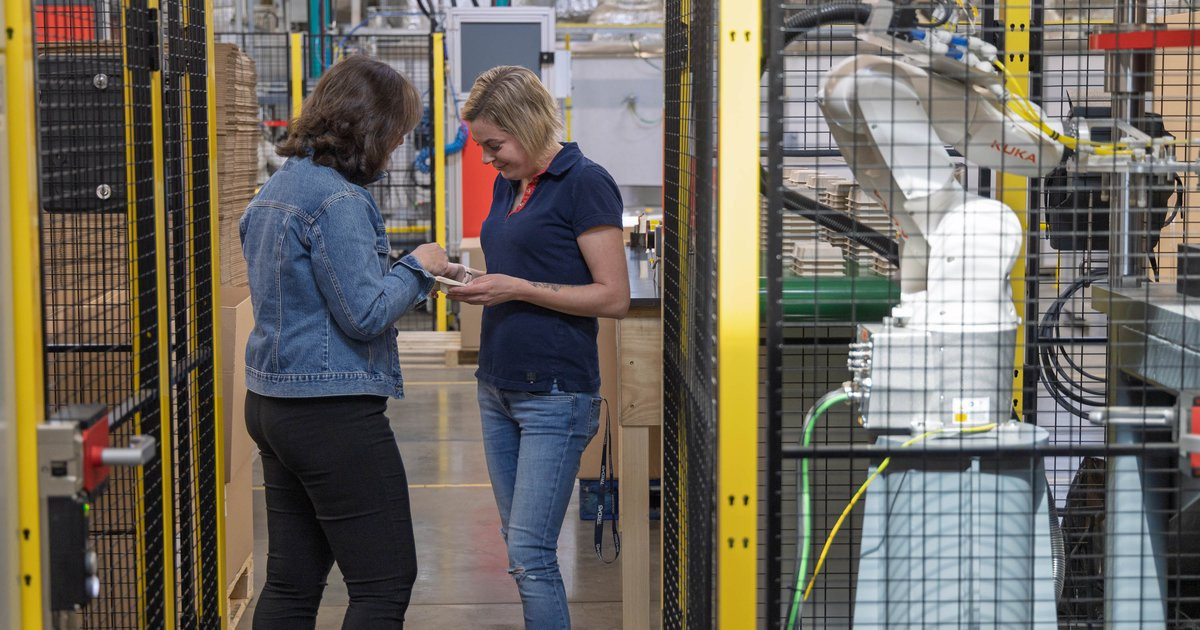
TRIDAS designs and manufactures its own molded fibre production lines and operates both wet-press and dry-press technologies at its Czech facility, enabling process optimisation for recycled paper pulp formulations validated over 20 years of production. The company is FSC-certified and provides EUDR-compliant Due Diligence Statements per shipment under Regulation (EU) 2023/1115, sourcing pulp primarily from EU low-risk regions. For buyers prioritising supply-chain transparency, regulatory compliance and production scalability in non-food packaging categories (cosmetics, consumer electronics, fragrance, fashion accessories), recycled paper pulp processed on proven molded-fibre lines offers the lowest procurement risk and the widest supplier base within Europe.